hello

Choosing the materials for your bespoke kitchen can feel a bit like being a conductor in an orchestra; every choice you make is essential, and when they all work together, you create something truly harmonious. From natural to man-made, let’s explore how each material can play its part in your kitchen symphony.
However, with a multitude of kitchen materials available, choosing the right ones can be overwhelming. In this comprehensive guide, we will explore various material options for your bespoke kitchen, while offering insights on their benefits and drawbacks. By the end of this article, you will be well-equipped to make informed decisions for your luxury kitchen.

In a bespoke kitchen, the materials you choose are like the instruments in your orchestra, each contributing to the overall harmony of your kitchen. The beauty of custom design is that you have the world at your fingertips – whether your heart sings for the rustic charm of natural materials, the sleek sophistication of modern finishes, or a fusion of both.
Just like the timeless music of a Stradivarius violin, natural materials such as wood, stone, and metal resonate with a charm that never fades. Whether your home echoes the traditional Cotswold design or struts a modern minimalist beat, these materials infuse warmth and character into your space.
Man-made materials like acrylics, plastics, and laminates, meanwhile, add a contemporary twist, like an electric guitar in a classic orchestra. These materials can jazz up your space with their bold colours and finishes, while also being kind on your wallet and easy to maintain.

The placement of materials in your kitchen is akin to arranging the musicians on a stage. From the worktops that take centre stage to the wall materials that form the backdrop, your material choices can enhance the functionality and aesthetics of your kitchen.
The worktop is often considered the heart of the kitchen design. With numerous material options, including wood, metal, and man-made materials, practicality and durability should be prioritised. Factors such as shape, orientation, size, appliances, lighting, and usage will guide your designer towards the most suitable materials.
As a large surface area, the flooring must complement the overall design. Wooden boards, stone, and tiles are popular choices, but metal and man-made materials could also be considered. Keep in mind that spills and drops are common in a kitchen, so choose a material that can withstand these accidents.
Wall materials can greatly influence the atmosphere of your kitchen. While most wall space is occupied by cupboards or appliances, the remaining areas can be painted or adorned with creative materials like glass or plastics.
The splash-back, an area behind the cooktop or sink, has become a significant design element in modern kitchens. Materials like glass, metal, and plastics are popular choices, as they can make a bold statement while protecting the walls from splashes and stains.
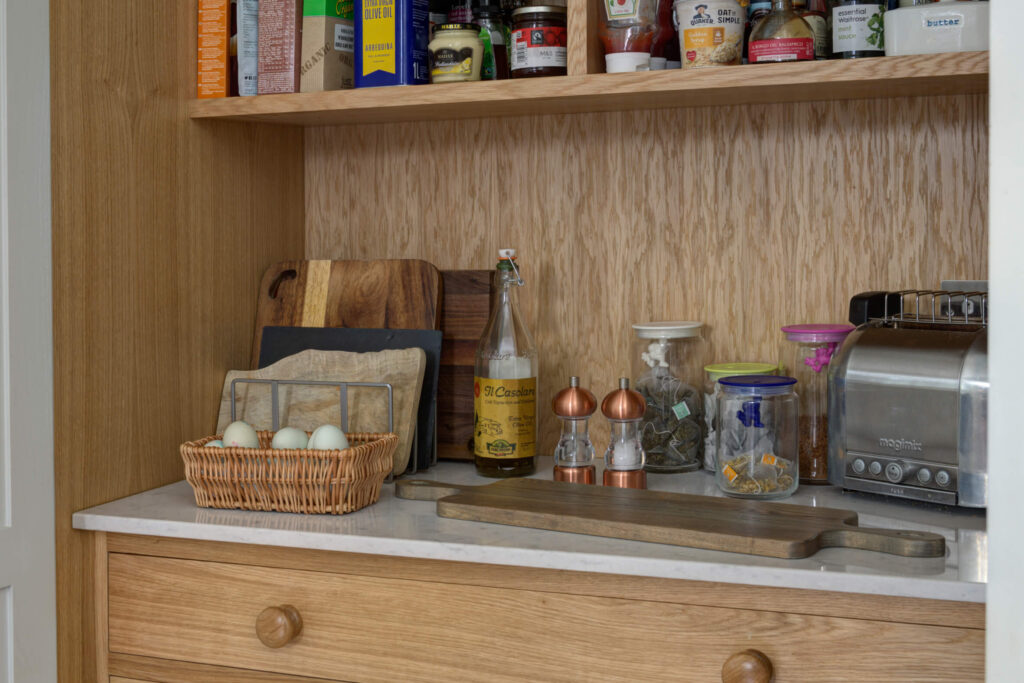
Solid wood, much like a solo violinist, can command attention and set the tone for your kitchen. It adds warmth and character, but requires careful handling. Alternatively, veneers offer the same beautiful wood look without the need for an encore of maintenance.
Adds warmth and character to the space
Can be painted or stained in various colours
Long-lasting and durable
Prone to warping and cracking in humid environments
Requires regular maintenance and sealing
Can be expensive
Laminates, like the steady beat of the drums, provide a consistent and durable backdrop, offering the visual appeal of natural wood without skipping a beat when it comes to heat and moisture resistance.
Wide range of colours, textures, and patterns
More affordable than natural wood
Resistant to heat, moisture, and scratches
Can look less authentic than real wood
May not be as long-lasting as solid wood or veneers

Stone, with its elegant and sophisticated character, is like the grand piano of your kitchen. Whether you choose the natural beauty of granite or marble, or the consistency and durability of manufactured stone, this material can be the showstopper in your kitchen concert.
Naturally beautiful and unique
Durable and heat-resistant
Can be polished or honed for different finishes
Heavy and may require additional support
Porous and can stain easily
Expensive and may require professional installation
Manufactured stone, such as quartz and Corian, offers a more consistent appearance and improved durability compared to natural stone. These materials are non-porous, stain-resistant, and can be fabricated into custom shapes and sizes.

Metal materials are like the brass section of an orchestra, adding a bit of flash and flair to your kitchen. They are easy to clean and maintain, perfect for that sleek, modern note you want to hit.
Durable and long-lasting
Easy to clean and maintain
Can be used for various design styles
Can be cold and industrial-looking
Susceptible to scratches and fingerprints
May require professional installation
Plastic materials, akin to the sounds of a synthesiser, provide an array of colours and finishes, are lightweight, easy to work with and affordable. They can add a touch of whimsy and modernity to your bespoke kitchen.
Wide range of colours and finishes
Lightweight and easy to work with
Low maintenance and affordable
Can look less luxurious than natural materials
May not be as heat-resistant or durable
Leather and cloth materials, like velvet vocals, add warmth and texture to your kitchen. They require a bit of care and placement consideration but can create a cosy, inviting atmosphere in your space.
Adds comfort and visual interest
Wide range of colours and textures
Can be used for various design styles
May be less durable and stain-resistant
Requires regular maintenance
Potential fire risk if placed near heat sources
Creating a bespoke kitchen is like arranging a symphony; you need to strike the right balance between design and practicality. This harmony can be achieved by selecting a lead material and weaving in complementary materials to enhance the overall look and feel of your space.
Working with a skilled kitchen designer is like having a conductor for your kitchen symphony. They can guide you through the maze of material choices, help you tune your vision and ensure that your bespoke kitchen hits all the right notes.
In conclusion, the material selection for your bespoke kitchen is crucial to the design process. With careful consideration of the properties, advantages, and disadvantages of each material, you can orchestrate a kitchen that is a beautiful and practical expression of you. And remember, your kitchen conductor – your designer – is always there to guide you towards creating your dream kitchen.
Contact Obsidian today and book your kitchen consultation.
